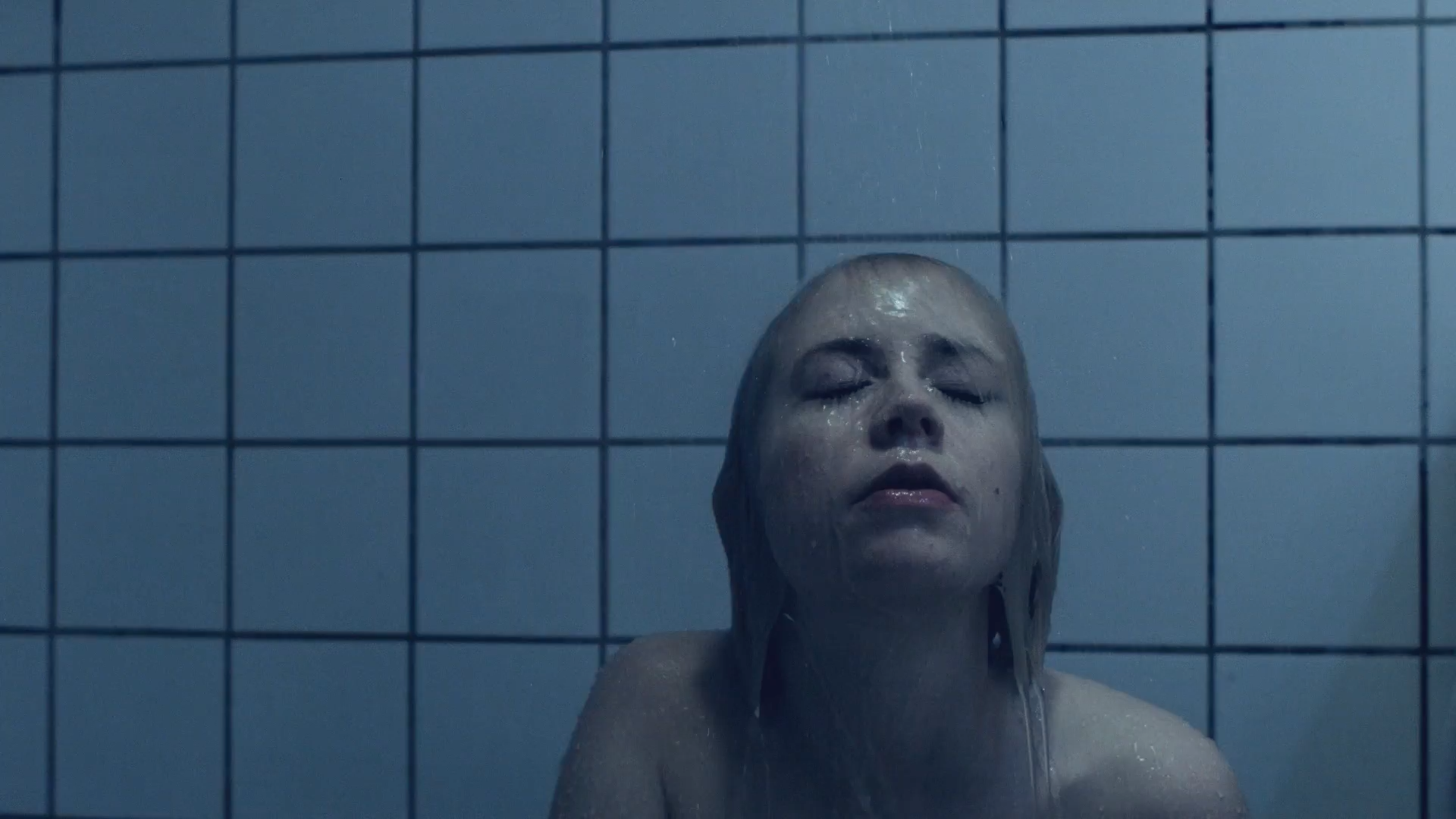
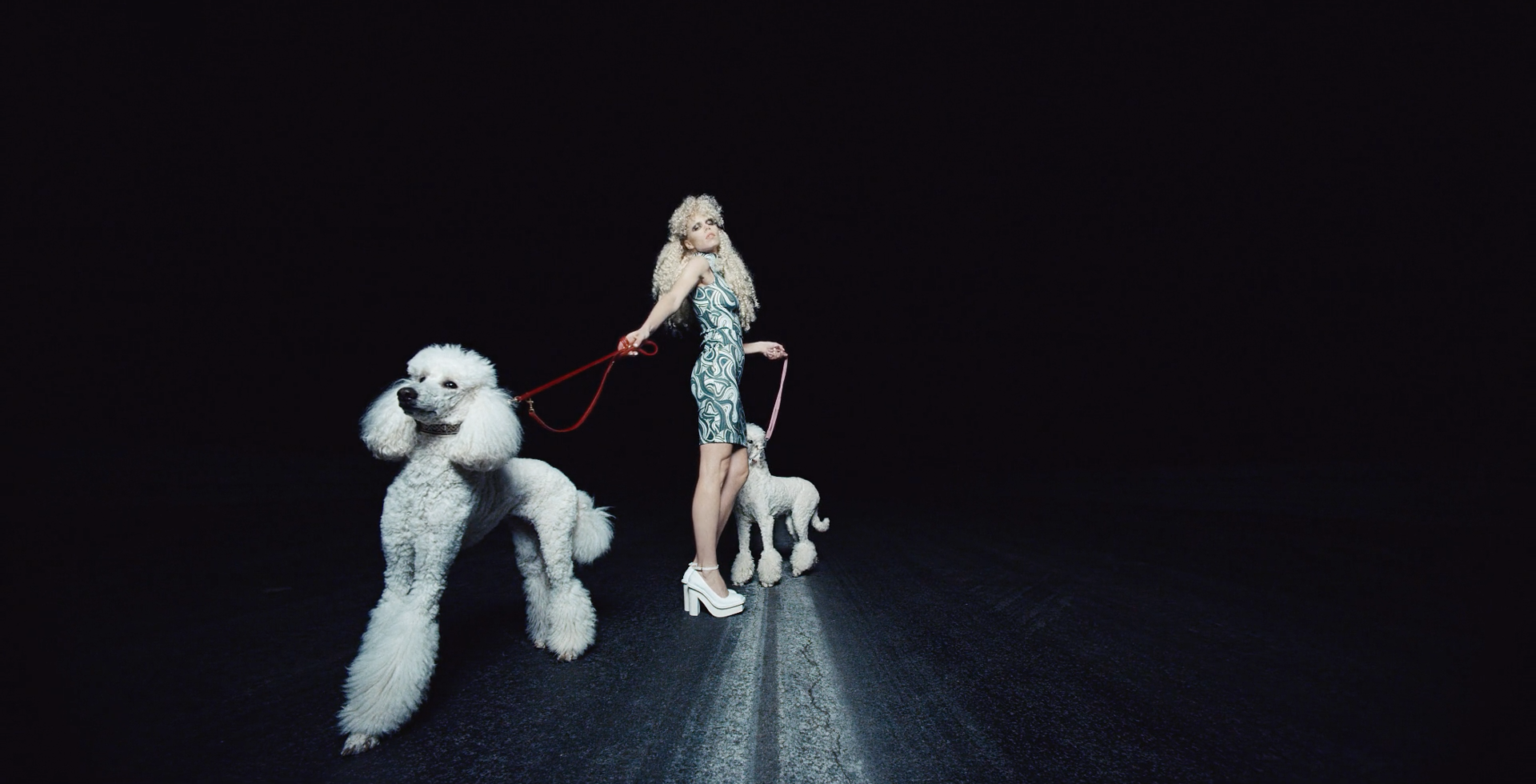
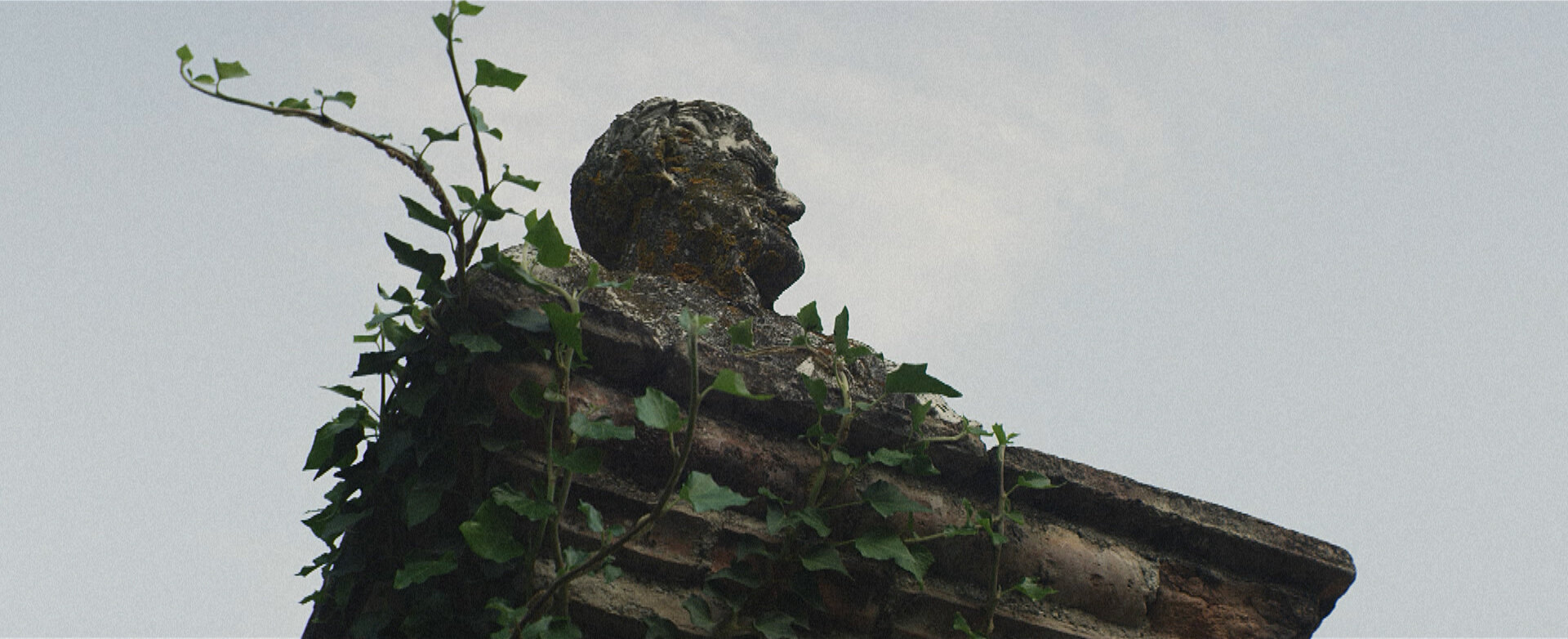
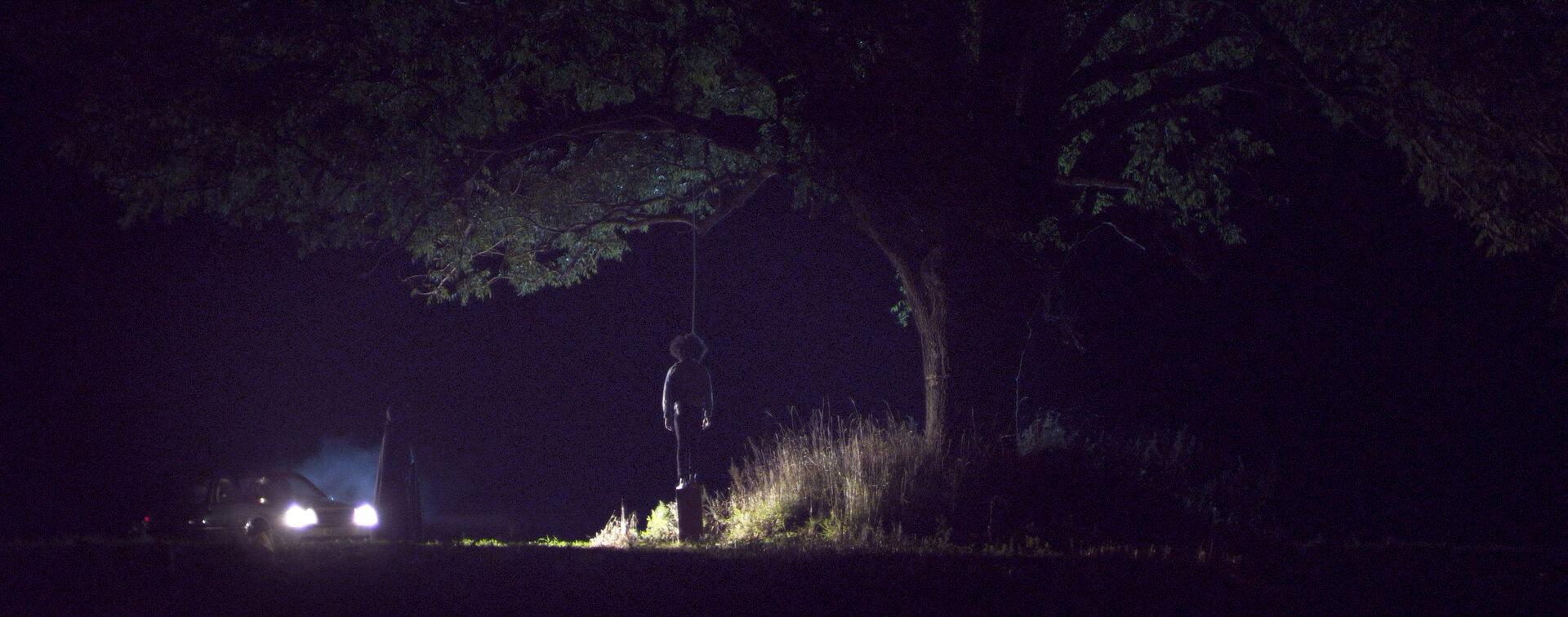
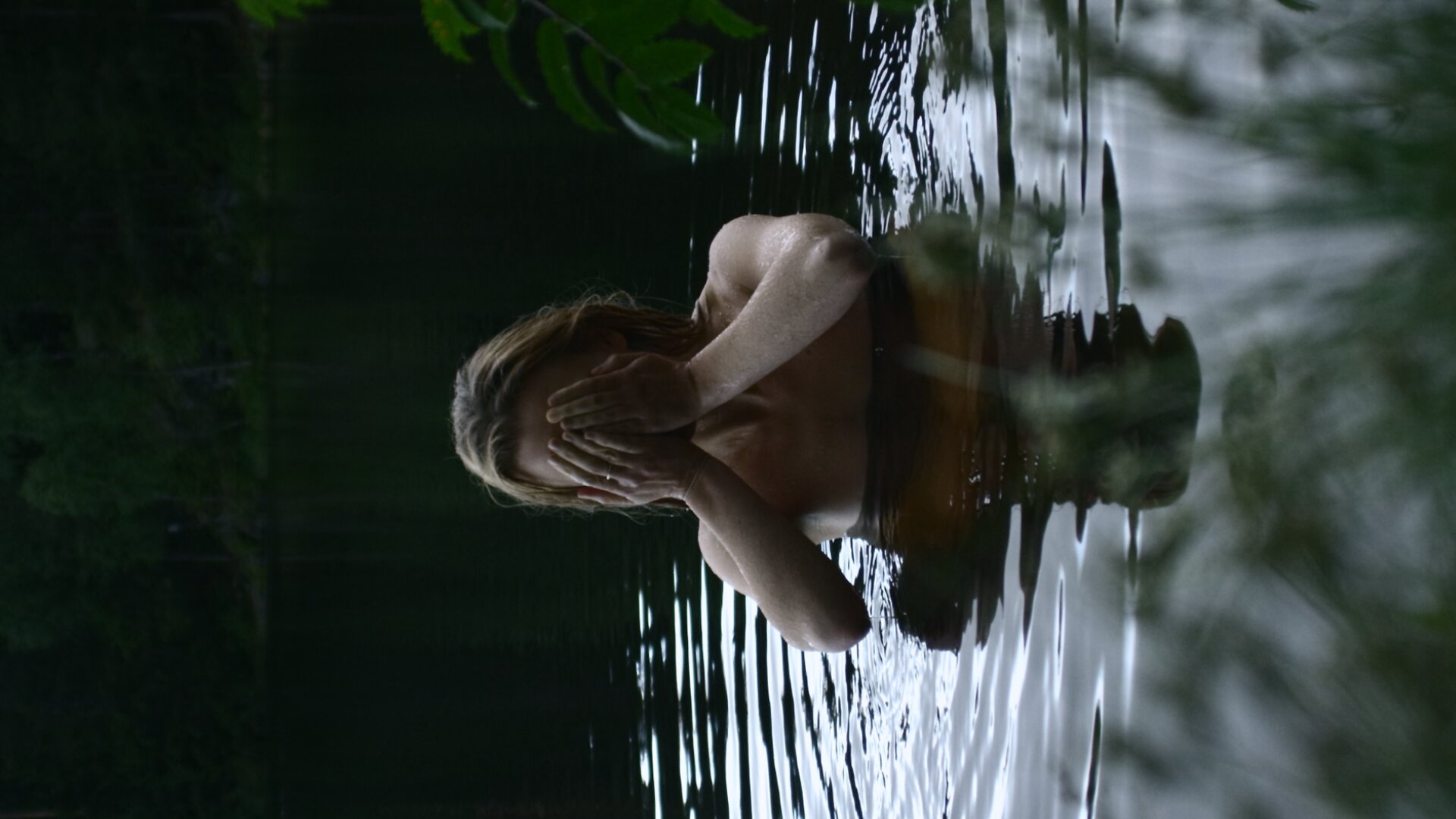
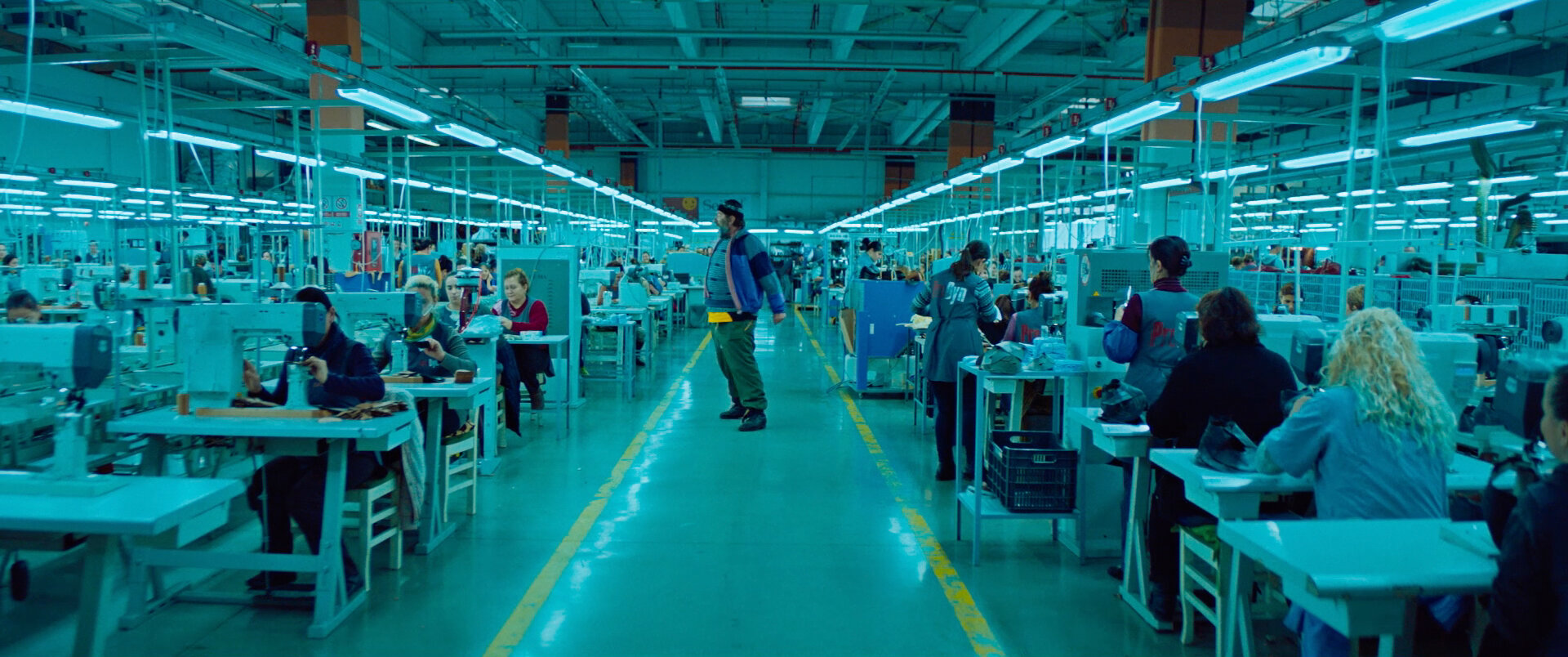
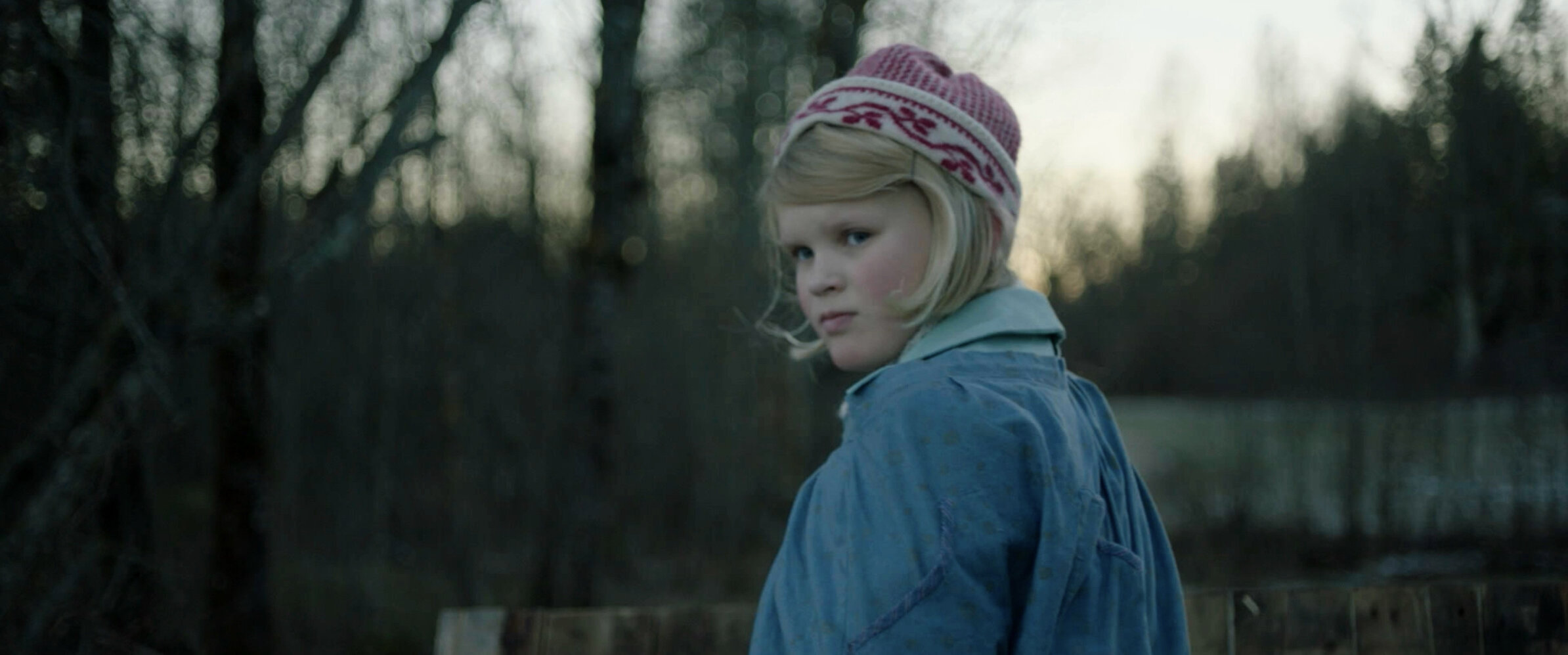
Cinematographer based in Oslo, Norway. Educated at The Norwegian Film School, where he graduated with a 25-minute drama shot in Macedonia — "To Guard a Mountain". The film later won an Amanda for Best Short Film at The Norwegian Film Festival.
Previous experience as cinematographer on short films, music videos and commercials, as well as photographer in television. Also electrician and gaffer on short films, music videos, commercials and features.
Born and raised in Tromsø, Norway — "The Paris of the North".
RED Scarlet and Carl Zeiss Compact Primes CP.2 in Oslo, Norway.
A wide range of projects in film and TV. Cinematographer and gaffer credits on short films, music videos and commercials, as well as larger feature productions and TV-dramas in the lighting department. Experience shooting most modern and legacy digital acquisition formats, as well as 16mm and 35mm film.
Credits include acclaimed short films To Guard a Mountain, Tommy and Amor (gaffer).
Freelance work for Norway's largest commercial broadcaster. Includes assignments for all their in-house productions.
Freelance assignments on various TV productions.
Freelance assignments in Northern Norway, mainly broadcast work for TV2, but also some commercials and industrial videos.
Split position with 50% bias towards inhouse production of TV entertainment shows, and 50% bias towards inhouse production of commercial videos for clients of the sales department.
Includes a large body of commercial work as producer, creative writer and cinematographer for customers including Hurtigruten, Notar, SpareBank1 Nord-Norge, Troms Kraft and Nasjonalt senter for Telemedisin.
Developed and produced weekly entertainment magazines for television, aimed at young people with focus on young culture.
Doing workshops for young filmmakers, and helping facilitate youth film production in Northern Norway. Helping create and organize Nordic Youth Film Festival.
Music video gone viral (article in Norwegian)
From the always interesting blog of British cinematographer Stephen Murphy, comes this gem of a YouTube-video. Amazing how much and at the same time how little has changed over the years.
I haven’t been able to post anything in quite a while, as my life has been crazy busy these past months. Along with getting a blog up and running for The Norwegian Film School, I’ve shot a number of exciting projects. This is a little taste of what’s to come. (Keep in mind that most of these are works in progress.)
“Untitled”
Short film project with directing duo Christian Loennechen and Harald Mæle Jr.
“Mittanbud.no”
Commercial with director Joakim Molteberg, produced by Pravda.
“I egne tanker”
Short film project with director Christian Loennechen, produced by Feil Film. Premiered in Oslo before Christmas.
“Interrogation”
Short film project with director Aasne Vaa Greibrokk. Premiered in competition at Tromsø International Film Festival in January.
“Rissimo – Hetro spytting”
Music video with director Kristoffer Nyborg. Premiering soon.
“Penneprøve 7″
School project with director Mikal Hovland at The Norwegian Film School.
I had a great time in Lofoten earlier this month — more precisely at a surfing spot near a village called Unstad, lighting a short film for my friend Torkel Riise Svenson. The film is about a surfer who is forced to move away from the beach by the local authorities because they want to make way for German tourists, but of course, he’s not going to make it that easy for them.
Lofoten is an amazing place, with tall mountains diving straight down into the sea — beautiful scenery, and Unstad seems to be a great place to surf (there were 5-10 surfers in the water at almost any time of the day, you don’t see that a lot in Northern Norway). Unfortunately, it is also very exposed to stormy weather, located with a clear view of the Norwegian Sea.
We experienced the power of nature on our first main unit shooting day, when heavy winds almost wiped out the entire set. A sofa flew 50 meters, and our accountant lost his glasses permanently (you know the location is nice when the accountant shows up on set). Alas, we had to move indoors for two days, shooting the interiors of the camping wagon on greenscreen in a large soccer hall. We were a bit bummed at first, but this move gave us an opportunity to light the interiors even more precisely according to the mood we were looking for.
Productions like these really help tighten the (already strong) bond between the young filmmakers of Northern Norway and the film industry of Northern Sweden, represented by Stefan Hencz who supplied most of the equipment and the Swedish grip from Luleå. Stefan was the one who taught me mostly everything I knew about lighting before I moved to Oslo, and he has showed great commitment towards getting the film industry in the north up and running. I had an excellent pair of local sparks, Benjamin Mosli and Ivar Waage Johansen, who really made the job a pleasant experience, and surely will go on to make great things (Benjamin is starting school in Denmark this fall, wave out Benjy!).
Eventually the weather calmed down, and we were able to crawl out of our little cave to shoot some great exteriors on the beach and in the village, as well as the local municipality where the sinister head of tourism held office. What happens with Kiki and his camping wagon will most likely be revealed at the 2011 Tromsø International Film Festival.
Kiki is a Read Head Production, directed by Eilif Bremer Landsend.
I won’t spend too much time writing about HDSLR on this site, but I am interested in finding out what they’re good for. Unlike others, I am a bit skeptical to the current generation, and after testing them on a few projects, I am still convinced that this is nowhere near what you would expect from a professional digital motion picture camera. However, it is a very affordable tool with a specific aesthetic (due to sensor size) that few other solutions in the same price range can offer. This is my take on the format and how to avoid the biggest issues associated with it.
The above video is a really quick no-budget spot I shot for a friend who did scenography on the play. It was captured on the 5D, and has a few problems, but none of them are related to the capture device (thanks to peirik for lending me the camera for the day). This was the kind of project that showed up just a few days before, and without an HDSLR probably wouldn’t have happened. No time, no budget, no crew. Just a few hours with the actors inside the set with a lamp. And that is a valid point for the HDSLR’s, they enable some projects to happen that otherwise wouldn’t.
This summer I’m employing a Canon 7D in two other specific situations where I think it can prove to be useful. I lighted an instructional video for home baristas in June, where I shot b-camera details and closeups with a Canon 7D (Panasonic HPX3000 was a-camera, and responsible for the main bulk of footage), and in the end of July I will be shooting a documentary for an extreme sports contest with Canon 7D and a few other light cameras. Keep in mind that both these projects are on a very tight budget, which is why we’re considering HDSLR in the first place.
Resolution charts provided by RED on reduser.net, showing artifacts and loss of resolution on 7D (click to see larger version).
In the first scenario, the 7D offered a cheap way of getting bonus shots and cutaways on a project that was quite pressed for time. The shots were mainly close details with a lot of defocused image space, allowing the camera and the codec to focus it’s attention on capturing detail in the in-focus areas. Which brings us to issue number one with these cameras. They are in no way actual 1080p resolution, they process the line-skipping signal from the large sensors in a very smart way to recreate 1920 by 1080 pixels of imagery, but under the right circumstances they will fall apart. Actual resolution according to science is somewhere between standard definition and 720p, but in real life you’ll sometimes get the appearance of HD. The question is, does your project actually need 1080p? This project was going online and onto DVD’s, and we could happily live with the lower resolution. But try to stay away from very detailed images, or you will be disappointed.
In the second scenario, I am heading off the road for some documentary shooting. The prospect of running through forests and up mountains with a heavy broadcast camera is not very appealing to me, and the size of the 7D will allow me to put it in places I otherwise wouldn’t be able to capture images. But the heavy focus on action sequences means we’ll need a good way to operate the camera handheld, and some remedy for the bad rolling shutter problems: issue number two.
15 mm support with mattebox and follow focus from Chrosziel.
A lot of the jelloish pictures you’ve seen on the net are caused by the small size of these cameras. Anthony Dod Mantle, cinematographer on Slumdog Millionaire, had similar problems when handholding the tiny SI2k. It actually needs more weight. With a support system, mattebox and follow focus, a lot of the tiny vibrations go away. I have also found that having an HDSLR viewfinder (mine is an LCDVF) is essential, as your head pressed towards the back of the camera will stabilize it a lot. Rolling shutter from fast pans and movements should then be possible to partially correct in post, and partially just accept as a part of the package (WYGIWYPF — What You Get Is What You Paid For).
This handheld configuration from Shane Hurlbut, ASC was my starting point for minimizing tiny camera vibrations. (Image is property of Shane Hurlbut, ASC)
With this basic rig, you can do very versatile handheld operating, quickly moving around and getting into tight spots to capture images. You can also build on this rig, adding your favourite bells and whistles. Personally, I don’t really believe in the shoulder rigs offered by a wide range of accessory makers, but I haven’t really tried them either. The big problem for me with operating is when you put it on a tripod, as you can’t angle the viewfinder, and will have to resort to operating with a monitor.
Issue number three is a crucial point for any scenario: exposing as close to the final look as possible. There is little to no room in your HDSLR footage to tweak exposure and/or colors in post, so you need to be spot on while shooting. Ideally you should have a monitor with a waveform or similar to control exposure, but an HDSLR viewfinder helps a lot with this as well, as you aren’t disturbed too much by light levels in your surroundings when looking at the screen. You might also want to setup your Canon with user settings that help take down contrast and sharpness (reducing some aliasing). I would hesitate (a LOT!) to bring this camera on any kind of VFX-shoot or wherever greenscreen is involved. Call me conservative. What you see on your screen is basically what you get, and for a 1500$ camera (plus about 8000$ of accessories), that’s not too bad.
And that’s about it for me. On the right project, it’s a viable, cheap solution to get the images you want. I can see these cameras on a lot of low budget music videos, feature film pilots, short films, student films, documentaries, commercials and the likes in the time ahead. But if budget will allow it, I’ll still be using proper tools for the job. I can also see both Panasonic and Sony (and then most likely Canon too) cooking up new prosumer videocameras with larger sensors to win back this market segment during the next year or so, while RED and Arri are rolling out a new generation of professional motion picture cameras to win back the industry. HDSLR might not be a revolution, but it’s certainly part of an ongoing reform.
Are you trying out HDSLR? Please feel free to share experiences and results you’ve attained in the comments. And remember, in the end it’s all about the final image — not about the equipment you used to create it. Just ask Stu Maschwitz.
3D is coming, now also to Norway. I spent Saturday with graduating cinematographer Kristoffer Archetti, head teacher and cinematographer Kjell Vassdal and a slew of other experienced colleagues at Bislett Stadium, shooting Kristoffer’s final project at The Norwegian Film School with a couple of REDs and the STEREOTEC 3D-rig, recently brought to Norway by ULTIMAX 3D and director/cinematographer Morten Skallerud.
After spending 5 hours setting up and shooting the first setup, we gradually developed a more reasonable speed for moving the mirror-rig around. Fortunately we were shooting with only one focal length, effectively avoiding the half hour needed to recalibrate the setup after a lens change. (captured by my iPhone)
Stereoscopy isn’t as complicated as it might sound (ok, I’m a liar), but you would want to have a dedicated specialist on set dealing with interocular distances and convergence, making sure everything turns out right and nobody gets physically ill while watching it. When shooting convergent (opposed to parallel), you decide what you want to have actually “on” the screen by angling the cameras towards each other, like your eyes do. Objects in front of your convergence point will stretch out towards the audience, while objects behind will appear to, well, stretch out behind the screen. Interocular distance then in relation with convergence angle is used to pinpoint the convergence point, and decide how drastic the effect should be.
Because of this, you also have to decide what is the largest screen you are shooting for. If you want to have maximum impact on a TV screen, you won’t be able to screen your film in cinemas. And vice versa, Avatar for instance won’t be as spectacular on a 3D TV because it’s shot for the big screen with a more modest effect. (They might be able to adjust this in post somehow, seeing as so much of it is made digitally.) In other words, you really do want to bring a skilled professional to help you deal with these issues and make good choices for your project.
Morten Skallerud at his control station, always calculating and making notes (captured by John Einar Hagen)
Stereoscopy is all about tricking the eyes and brain into seeing something you know simply is not real. When inside this illusion you have to take great care not to throw your audience out of the experience, causing discomfort, illness or even pain.
For this project we shot all the setups with a locked interocular distance and convergence angle, and calculated a depth of field that allowed us to keep focus static as well. For most drama purposes you would need a motor on your rig to move the cameras during a take, as well as a wireless follow focus that could control both cameras at once (Avatar used this).
An issue that showed up on our set was matching the UltraPrimes to create identical pictures. Even though these are professional lenses, they had a slightly different distortion, possibly creating a bit of extra work in post. Apparently, Master Primes are recommended, and I guess you should avoid using even cheaper lenses in a setup like this.
It remains to be seen how many Norwegian films will attempt to use this old but new technology, but there certainly was not a lack of interest. Several producers and other filmmakers dropped by the shoot, and The Norwegian Society of Cinematographers is already planning a workshop after the summer. Keep your eyes open for the first Norwegian 3D drama coming to a movie theater some time soon.
How do you approach the shot making process when working with a director on a film project?
When most young directors say they want it to have a very improvisational feel, generally it goes: ‘Fuck you./No, fuck you./No, fuck you./No, fuck you.’ And then someone pulls out a gun.
— Tim Roth
I’ve reflected quite a bit on this lately, and found that I don’t really have an answer. There are endless opportunities to decide what you do (and what you don’t) show the audience, and my task is to help the director narrow it down to the one choice that fits the project best. Of course there is no such thing as the one right choice, but there are plenty of awful choices available. And no two directors with similar preferences, neither in style nor in communicative preferences.
It is also difficult to articulate the subtleties in cinema, because there aren’t words or metaphors which describe many of the emotions you are attempting to evoke.
— Conrad Hall
An early experience, photographing a short film and then watching the final edit weeks later, is that none of the amazing setups I convinced my creative partner to shoot have made it into the actual film. Every book on cinematography I’ve ever read have stressed this, but I’ve still made the same mistake countless times. If the director doesn’t understand why we’re doing it, it’s a major waste of time and energy. Communicating about something as abstract as a mental vision of an image is a big challenge, but the times when I’ve been able to craft a wonderful shot in tight cooperation with the director, are the times when I’ve usually seen it on the big screen afterwards.
As one of the editing teachers of my school so wonderfully puts it: “The language of film is really quite simple”. Every image needs to drive the story onwards, or it’s just a distraction that will disappear once the director is left alone with an editor. (And rightfully so).
I never want to feel like the way that I see it is the only way. Sometimes mistakes happen and that’s better than what you thought the scene could be. You allow room for the possibilities.
— Steve Buscemi
Another realization I’ve made is that however well planned and coordinated I am with my director, nothing ever plays out the way I thought it would on set. Something unexpected happens, a better solution becomes apparent, there hasn’t been a single project where the original plan was a perfect fit. I’ve narrowed it down to two scenarios, the one where we try to force the scene to unfold the way we planned, and the one where we pick up on what is happening and adapt to it. The first one has most of the time turned out to be an awkward solution in the film. Pre production is a wonderful creative time when I try to get inside the head of my director, and shape fragments of inspiration and ideas into a sense of mood and style, but production is where the actual film unfolds in front of the lens. And as my teachers in cinematography keep stressing, you have to be perceptive and adaptable. But in my opinion also bold enough to follow through on the original vision of the film, when required.
The fine balance between what we planned to do and what the situation is telling us to do is maybe where something interesting happens. In any case my director is my best friend, and if the film is shit, I’d feel better knowing that we kept an open mind throughout the process and made the crap together, as a team.
We mystify the art of moviemaking, but it’s not a mystical science. You take a good screenplay, put a group together and you hammer it out.
— Bill Paxton
I’ve spent a few blogposts writing about the exciting advances in digital acquisition, so I think it’s time to give some much deserved attention to the beauty of physical image capture on celluloid, also known as film. Even after all these years of bits and bytes, it’s still the absolute king of the hill when it comes to simplicity, quality and pure brilliance.
It’s difficult to not fall in love with a film camera once you’ve seen it in action. Essentially a piece of metal with a hole in, this fine piece of machinery will pull the film forward, stop and hold it absolutely still, before pulling it forward again multiple times per second, exposing it to the focused light coming through the lens. No advanced electronics and software, no rolling shutter issues, no bitrates or different formats, no complicated backup schemes, just light trapped in a physical object you can hold and look at. So simple!
The marvel of this machinery is only surpassed by the absolutely gorgeous images it can produce:
The reason why I’m dedicating a post to the film medium, is because I’m currently stranded on a remote island in Norway, pulling focus for one of the exam film productions for the final year students of The Norwegian Film School. We’re burning 16 and 35mm, and I would never want to work with anything else for this particular project. When snow and rain is hitting you at the same time at 20 meters per second, there’s nothing more reassuring than an Arri chugging along beside me. My biggest worry is keeping the lens clean.
A rough machine for rough conditions
But even when the weather is nice, I’d rather be loading my mags with film. It’s a shame that the economical reality of the Norwegian film business is pushing the vast majority of productions into the digital realm. It’s not just a matter of practicality or costs, it’s a major aesthetical decision.
An example; we’re standing on an exterior location with a 100-or-something meter long chain of 15 watt bulbs in an evening landscape just after sunset with a huge miniature in the foreground of a larger construction in the background, and light is falling fast! By the time we get the shot in the can, the light is not reading on the incident meter anymore. But watching dailies afterwards, the 35mm proves it’s worth the extra pennies, as an amazing scene unfolds, with clarity and contrast a RED could only dream of capturing. The entire crew was stoked, and this was only a lousy firstlight to DV PAL.
Ready to be loaded and exposed
I am very lucky to be part of a film school that still teaches this soon to be ancient technique to the next generation of Norwegian cinematographers, and will always go to great lengths to pursuade producers if I think it’s the appropriate medium for the project.
It feels like being late to a party and trying to pursuade the remaining few to stay up just a bit longer.
PS: The movie I’m referring to is titled Tuba Atlantic, directed by Hallvar Witzø and shot by Karl Erik Brøndo, both graduating from the Norwegian Film School this summer. It is their final project, a 25 minute short film, and will air on Norwegian television and at the Norwegian Short Film Festival this summer.
WARNING: POSSIBLE SPOILERS AHEAD.
Did he do that on purpose? I’m still wondering, and looking around on the internet hasn’t offered much of an answer. I’m talking about Shutter Island, and whether or not the use of greenscreen was purely artistic or more of a practical choice.
It’s not unusual for film and TV drama these days to use a lot of greenscreen, the technology has become very good, and the practical and economical benefits can be quite tempting. Just take a look at this montage on kottke.org: http://kottke.org/10/02/green-screened. But Shutter Island has an unusual amount of, dare I say, seemingly unnecessary greenscreen-shots for a big budget period drama from one of the biggest names in modern film.
The first and most obvious example is the opening scene on the boat. I can understand why Scorsese would shoot it in a studio for practical reasons (although I’ve seen this done a lot better!). Or the scene in the car after Leo has met with Solando. It’s easier to control, and the actors can concentrate on the dialogue. But why do it in a perfectly normal hallway in a location you’ve already shot lots of pictures in? If you start looking for it, you will find a lot of shots that will get you wondering. And sometimes it almost feels poorly executed on purpose. By the way, did you notice when Chuck hands the woman they are interviewing a glass of water, and they cut to a closeup of her lifting the glass, there’s not actually a glass in her hand? It’s empty! There are small glitches like this throughout.
The visual style of the film, with it’s unconventional angles and abrupt movements, combined with the sometimes disturbing use of sound and music, is all part of giving the impression that there’s something horribly wrong. Which there is, as Scorsese masterfully lies, then lies again, spinning a web so thick with doubt and suspicion that you don’t anticipate the final twist at all as it hits you in the face (unless you read the book of course).
So here’s the theory: What if the glitches and the sometimes poor, sometimes just weird greenscreen is part of Scorseses plan to deceive? I really have to see the film again soon to try and find a pattern to this, but it sort of fits. As I was thinking about it, I also started thinking how the regular audience members, most likely blind to these technical aspects, would react. And it might actually be a very subtle, but effective trick. On a conscious level you can’t really tell that there’s anything wrong with the picture (and you most likely don’t consciously question it), but your subconsciousness will have it’s doubts. And then it all starts adding up.
How did you feel when you watched the movie? Am I just rambling, or has Scorsese employed these technical and logical glitches on purpose? I’m anxious to hear if anyone else had a similar experience.
Exciting things are happening in digital film cameras, as both RED and Arri are rolling out new sensors rated at ISO 800, with relatively noise free boosting to at least ISO 1600 (looking forward to see this in full resolution in a cinema). This is more than one and a half stop higher than the currently most light sensitive film stock, and looks to be a golden number in terms of what you can actually “see”.
Yes we’re talking unlit night scenes again. The first RED ONEs are having their sensors swapped at this moment, and the first Mysterium X sensor will reach Norway and Eirik Tyrihjel this month. Footage from the Mysterium X has already surfaced on the internet, and shows:
1) Leonardo DiCaprio lighting a cigarette and himself with only a matchstick (direct download)
2) some people walking around the city at night, filming the scenery and each other (direct download)
3) people in industrial settings, cars in the dark and longboarders (direct download)
Leonardo DiCaprio with a matchstick as the only lightsource. ISO 2000.
Seems like ISO 1600 with a wide open prime lens is what’s needed to look around a city at night, like countless HDSLR shooters have been showing us for the past year or so. What might be more interesting with such a high sensitivity is how you can control depth of field, especially when shooting miniatures or high-speed work (not to mention miniatures in high-speed). Also, it’s interesting to note that HDSLR started this race, and now the big players are following their lead, as digital acquisition builds a real competitive advantage over film.
Arri are still building their next generation cameras with the new ALEV III sensor, but they should also be released during 2010. Footage has yet to show up online, but needless to say, it should be a potent match to the Mysterium X. It will find it’s way into three different cameras with different features and pricing. They are not planning to upgrade the D21, but an Arri representative at Gothenburg International Film Festival last week claimed that it would still be top notch in their lineup for at least 2-3 years. Then again, productions that can afford the D21, can usually afford a few lighting units as well.
Is this a sign of things to come? Digital for sensitivity, film for quality? Or will digital catch up in latitude and color depth as well? At the very least, the DoP will have more freedom to focus on the creative process as limitations get fewer.
We are wrapping up our first proper project together in Lillehammer, a 4 minute sequence from an imagined longer story entitled “The Settlement” (attempted translation anyway). Our team consisting of one student from each profession, shot a story about a woman confronting her husband’s lover, a female tattoo artist, with the fact that they have a common love interest.
The first semester at The Norwegian Film School is filled up with a lot of watching films, workshops and lectures, and small team building exercises, and it’s a wonderful feeling to finally be making movies again. Or rather, sequences, as the school keep reminding us we’re only making one movie in the time we’re here, which is the exam film.
Projects at the school are based on the principle that creativity is better stimulated with restrictions, and we’re not training to make short films, we’re training to become feature film cinematographers (and directors, producers, sound designers, production designers, editors, and script writers). The main restrictions on this exercise was: A minimum of two locations (one required to be a waiting room), a maximum of 12 setups, two predetermined actors, and a maximum of two rolls of S16mm film (approximately 20 minutes of recording time in 25 fps) framing for 1.85:1.
Esteemed Norwegian DoP Hallvard Bræin was mentor for the cinematographers on the project, and gave some very stimulating input during pre-production and on the set. Our generation of photographers being a very digital one, he made a point of making us light by eye and meter, and not use digital cameras as a mental crutch as most of us are used to. Judging fine nuances in contrast can be quite a challenge for the eye and the mind, especially when it comes to the darkest areas which can be quite critical on a negative. One of my personal goals with the exercise was to push the shadows quite a bit, to see how far I can go before losing details and adding too much grain. In the end I found a simplified version of Ansel Adams’ zone system to be very helpful, as I’ve used it a lot when shooting 35mm stills.
We shot Kodak Vision2 200T and scanned to ProRes 4444 at Stopp in Sweden. An important aspect of the school is what they call “the right to screw up”, which means none of what we do is screened anywhere, but I thought I’d post a few screengrabs as a “teaser”. (This might not look right on your monitor, depending on calibration).